Learning often enters family life quietly, disguised as something ordinary. It lives in measuring pancake batter, choosing apples, and comparing shoe sizes. Everyday learning activities for kids make those moments easier to notice and use. They do not require a separate classroom or an hour of preparation. They ask adults to slow down long enough to invite a child’s participation. A simple chore can become a chance to sort, estimate, and explain. A neighborhood walk can become a conversation about patterns and change. Children learn that knowledge belongs in the places where they already live. That connection makes skills feel useful instead of distant. The best learning moments often arrive before anyone labels them a lesson.
Errands become richer when children have one real job to help complete. At the grocery store, ask them to compare two package sizes. At the post office, let them notice the order of steps people follow. On the bus, invite them to watch landmarks appear and disappear. Keep questions open enough for more than one sensible answer. A real-life learning moments and learning through ordinary life resource can spark ideas without making errands feel scripted. Children do not need a quiz at the end of a shopping trip. They need time to talk, predict, and notice what changes around them. Your attention turns a routine trip into an exchange of ideas. That exchange can make the world feel more understandable and interesting.
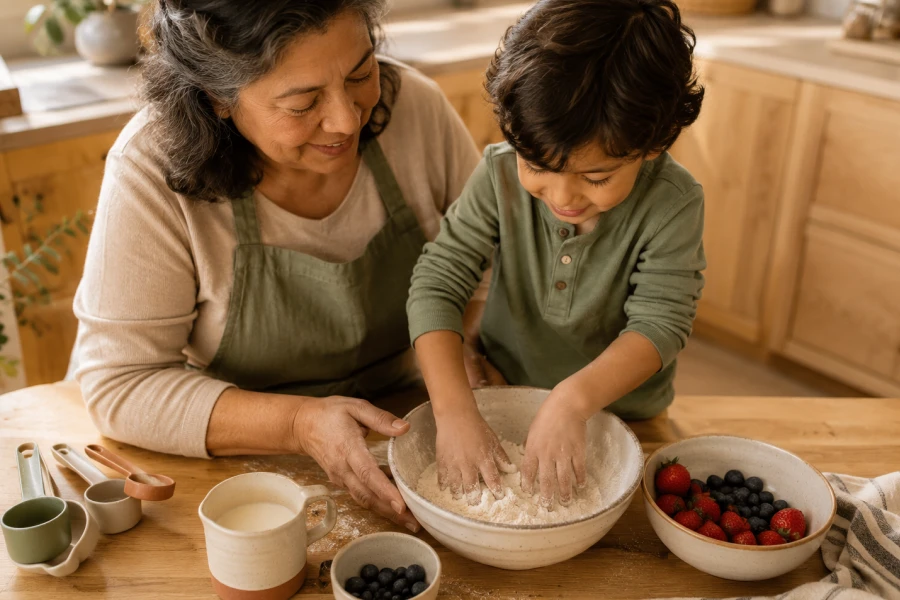
Small tasks carry more learning than adults often expect at first glance. Cooking includes sequencing, sensory language, and flexible problem-solving. Sorting socks includes matching, categories, and a useful contribution to home life. Watering plants can lead to noticing growth, care, and changing weather. You can add one question without taking over the task. These moments work best when the activity remains genuinely useful. Ask what might happen next or what feels different today. Then accept an answer that is imaginative, partial, or completely unexpected. Children learn from having their ideas taken seriously. A tiny extension can turn a routine into a memorable discovery.
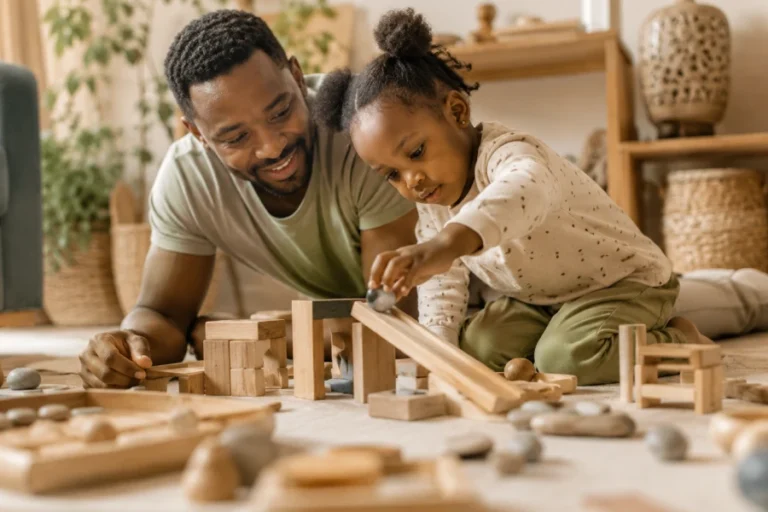
A child’s interest gives you a better starting point than a generic topic list. One child may notice every construction vehicle on the street. Another may spend twenty minutes arranging shells by color and texture. Follow that attention with materials, books, or a new place to explore. Do not force the interest to become a full project before it is ready. A playful learning prompts and outdoor discovery play source can offer light extensions when you need them. Children stay engaged when their questions lead the direction of the next step. You can offer vocabulary or context after the curiosity appears. This order keeps learning responsive instead of imposed. Following a child’s lead helps everyday moments feel genuinely theirs.
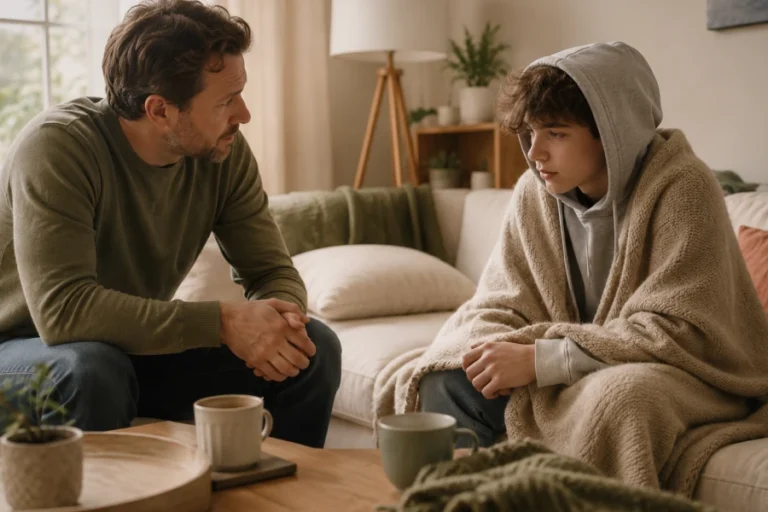
A short reflection can help children notice that something meaningful happened. Ask what surprised them, what felt hard, or what they would change tomorrow. Let them answer through drawing, movement, or a quick story if talking feels tedious. Do not turn reflection into a test of memory or correct terminology. The purpose is to connect experience with attention, not to grade it. A single sentence at bedtime may be enough after a full day. This small habit also gives adults a window into what children valued. You may discover that the simplest moment mattered more than the planned activity. Keep reflections optional when energy is low or attention has moved on. Learning stays warmer when children can leave room for wonder.
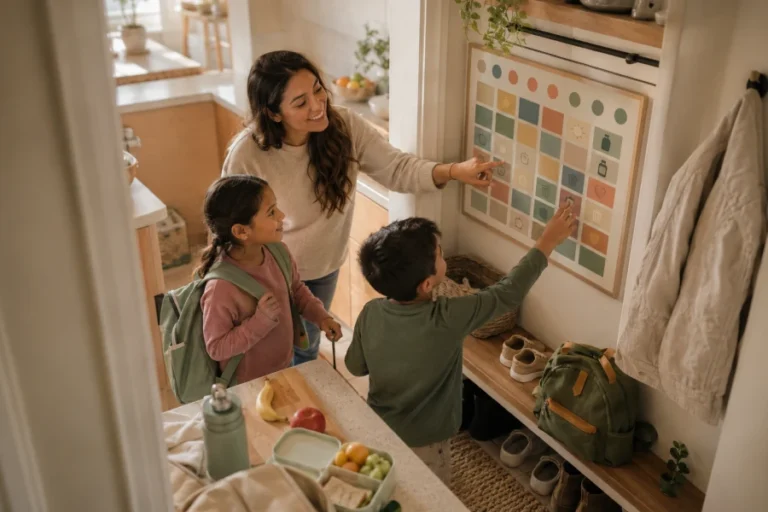
Consistency grows when activities fit the pace of ordinary life. Choose moments you already have instead of inventing an extra obligation. A family learning routine with home education rhythms can help adults remember possibilities without packing the day. Keep materials nearby for moments when a child is ready to explore. A basket with crayons, measuring tools, or magnifiers can be enough. The moments become sustainable when they stay easy to begin. Repeat favorite ideas without worrying that novelty must always lead. Children benefit from revisiting meaningful experiences in new ways. The aim is a family culture of noticing, trying, and talking together. That kind of learning can happen almost anywhere.
Everyday learning becomes more powerful when children can take part for real. Give them a small role that helps the family while inviting thoughtful attention. Use one open question to stretch observation without taking over the moment. Then let the activity remain useful, ordinary, and free from performance pressure. Children remember that their ideas mattered during the task itself. Parents gain a gentler way to create connection in routines already happening. Save favorite moments for another day instead of chasing endless novelty. A repeated walk, recipe, or errand can reveal something new each time. Learning stays sustainable when it feels woven into family life. That is why small moments can become some of the most meaningful ones.

Leave a comment