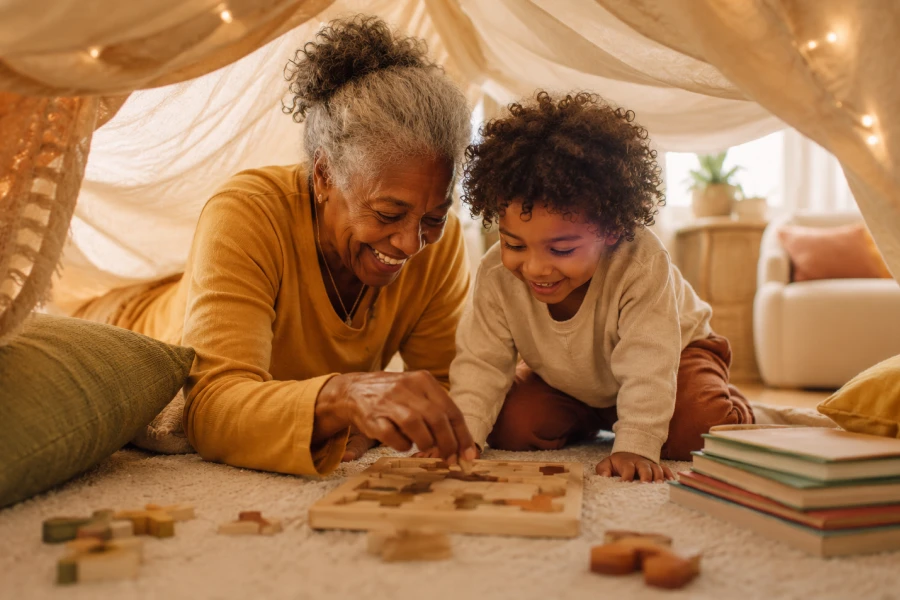
Children remember the feeling of making something with their own hands. They remember dough changing shape, sticks balancing, and stories built from loose parts. Screen free learning activities return attention to that physical kind of discovery. They offer a pause from fast input without making technology the enemy. The goal is not perfect quiet or constant productivity. It is to create space for touch, movement, imagination, and conversation. A cardboard box can become a stage, a tunnel, or a careful engineering problem. A blanket can become a map for a game nobody planned in advance. Hands-on play gives children feedback they can feel immediately. That feedback often brings back the joy of doing.
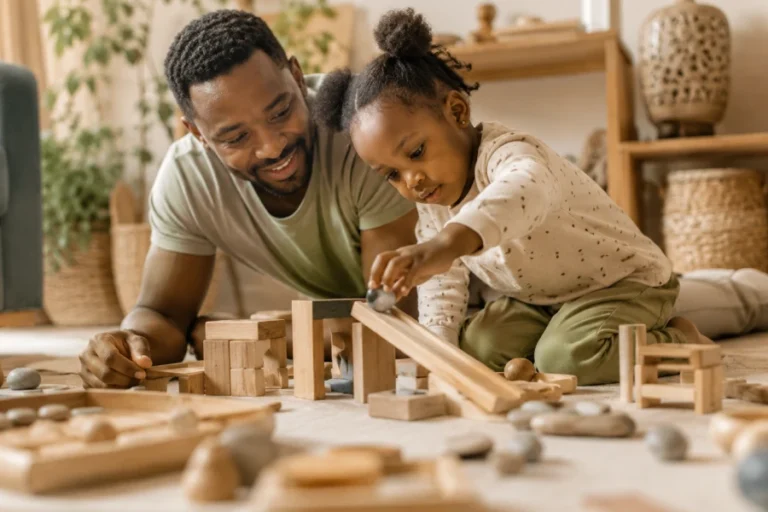
An inviting environment can make a screen-free choice easier before anyone asks. Leave a puzzle, basket of blocks, or drawing supplies where children can reach them. Put materials in clear containers with fewer competing options nearby. Offer a comfortable floor space, good light, and enough room for a project to spread. Rotate items occasionally, but do not remove favorites simply because they are familiar. A creative learning invitations and playful learning prompts resource can help families refresh the setup gently. Children notice what adults make available, even when nobody announces it. An open invitation feels different from a command to find something else to do. The environment can quietly suggest possibilities throughout the day. That suggestion is often more effective than a strict rule.
Boredom can be uncomfortable, but it also leaves room for original ideas. Try not to rush in with entertainment the moment a child says nothing is happening. A short pause may lead to building, pretending, wandering, or an unexpected question. Stay available without becoming the automatic source of the next activity. You can offer a material rather than a complete plan. These activities create room for children to practice initiating their own play. This skill matters because independent attention develops through use. Some children need gentle support before boredom feels creative instead of frustrating. Start with a familiar object and give the idea time to unfold. A slower beginning can produce surprisingly rich play later.
Many hands-on activities become more interesting when children work with somebody else. Building a fort involves planning, compromise, and solving unexpected problems together. Cooking a snack includes measuring, turn-taking, and describing what changes. A family game can strengthen memory, humor, and flexible thinking at once. Choose projects that allow each person to contribute in a different way. A family learning routine and screen-light family time plan can keep collaboration from becoming another complicated event. Adults do not need to direct every role for the activity to have value. Step back after setting a boundary or offering one helpful tool. Children often negotiate more creatively when they have room to try. Shared doing turns ordinary time into a place for connection.
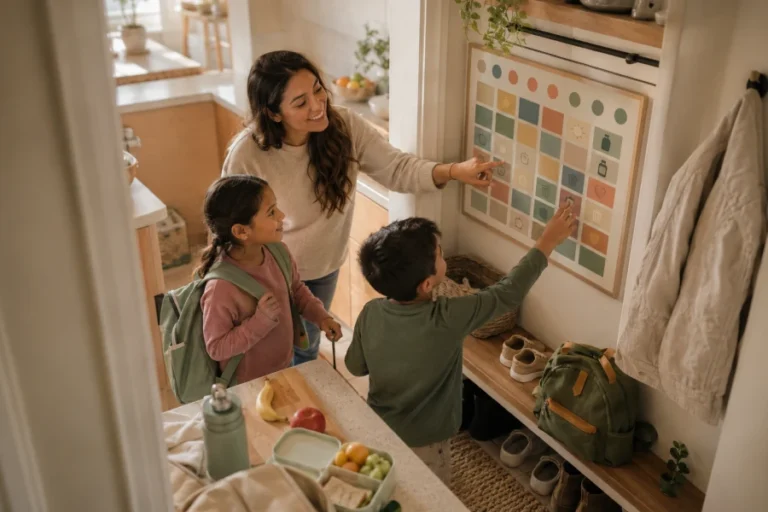
Rituals help screen-free moments become part of family culture rather than occasional substitutes. Friday night puzzles, Saturday baking, or a porch game after dinner can anchor the week. Keep the ritual simple enough to survive busy seasons and tired evenings. Repeat a favorite activity without worrying that every gathering needs a novelty factor. Children often love rituals because they know what kind of attention awaits them. Invite them to choose music, materials, or the order of a familiar routine. These decisions make the tradition feel shared rather than imposed. A ritual can also become an easy reentry point after a stressful day. The purpose is not to replace every screen with an activity. It is to protect time where the family makes something together.
Low-energy days need activities with a gentle entrance and no complicated setup. Try sorting buttons, reading aloud, coloring near each other, or building simple tracks. Keep supplies in one place so beginning does not require a scavenger hunt. Choose sensory, repetitive tasks when focus feels thin after school or work. A home education rhythms and learning through ordinary life resource can help families find options that fit real evenings. The activities work best when they feel possible even on an imperfect day. Let children stop before the activity becomes a demand they must finish. Return tomorrow, change materials, or simply leave the project waiting nearby. The joy of doing grows when participation remains voluntary and accessible. That is how small screen-free moments become a lasting family habit.
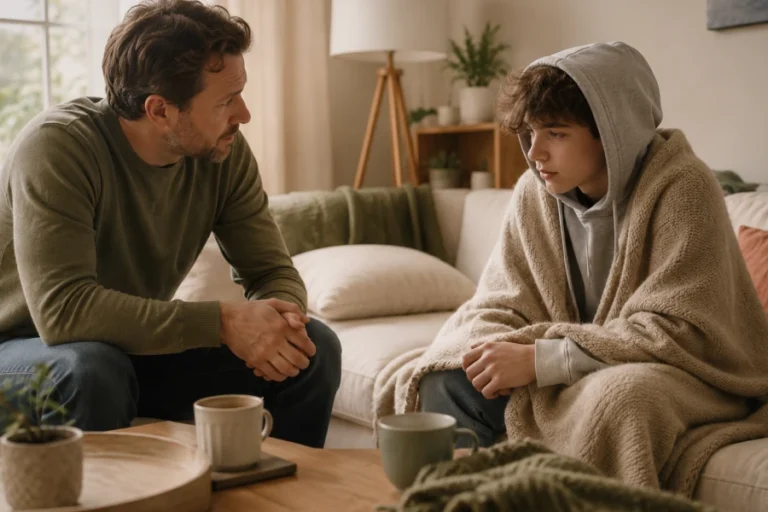
Small tactile experiences can restore attention after a noisy or hurried day. Keep a few reliable options visible, reachable, and easy to begin alone. Let boredom linger briefly before you decide it needs a solution. Offer materials, not commands, when children need a gentle nudge. Build recurring family rituals around making, moving, or solving something together. Choose activities that leave room for mistakes and unfinished ideas. Respect the point when a child wants to pause or move on. This keeps hands-on time connected to choice rather than another demand. Gradually, the household develops more ways to recharge without defaulting to a screen. Those alternatives make the joy of doing easier to return to.

Leave a comment